This product has been added to your inquiry list - View Inquiry List
Description
FAQs
Request A Quote
Description
Product Overview
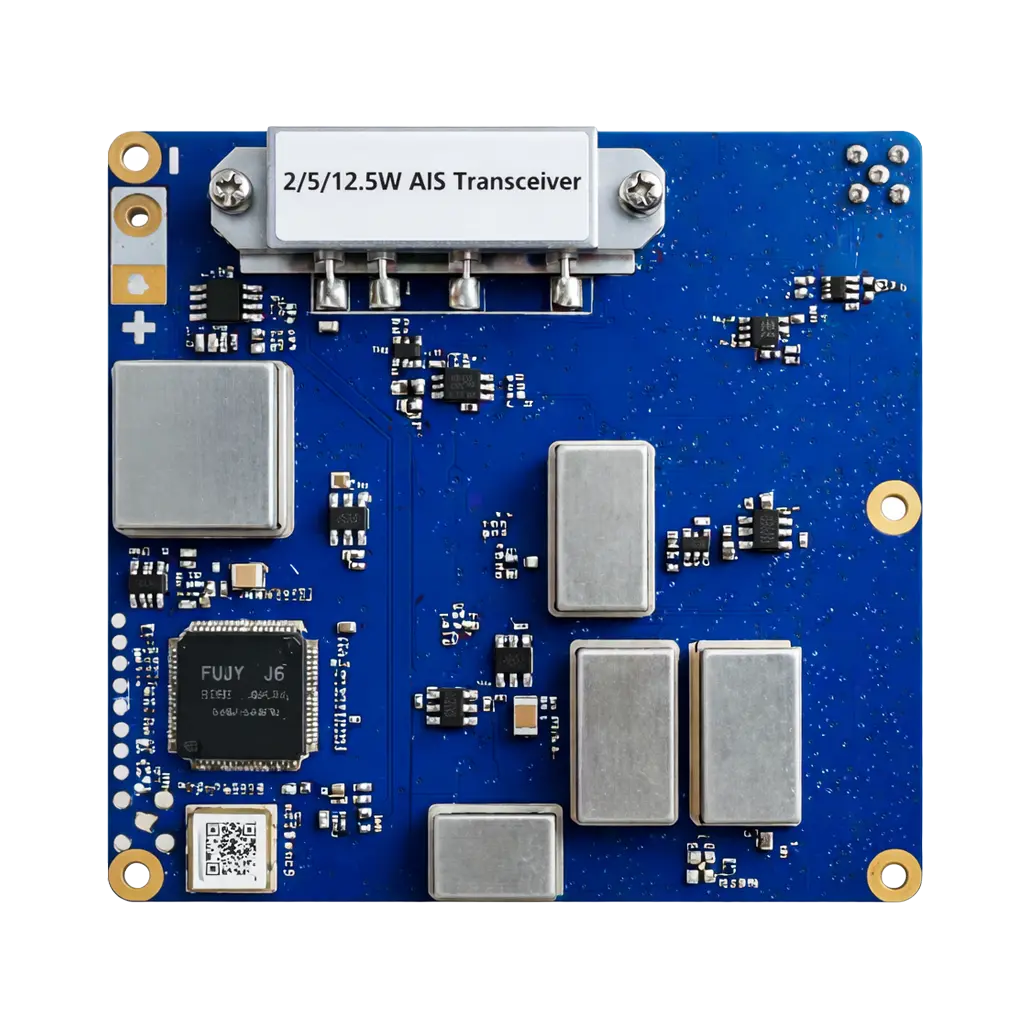
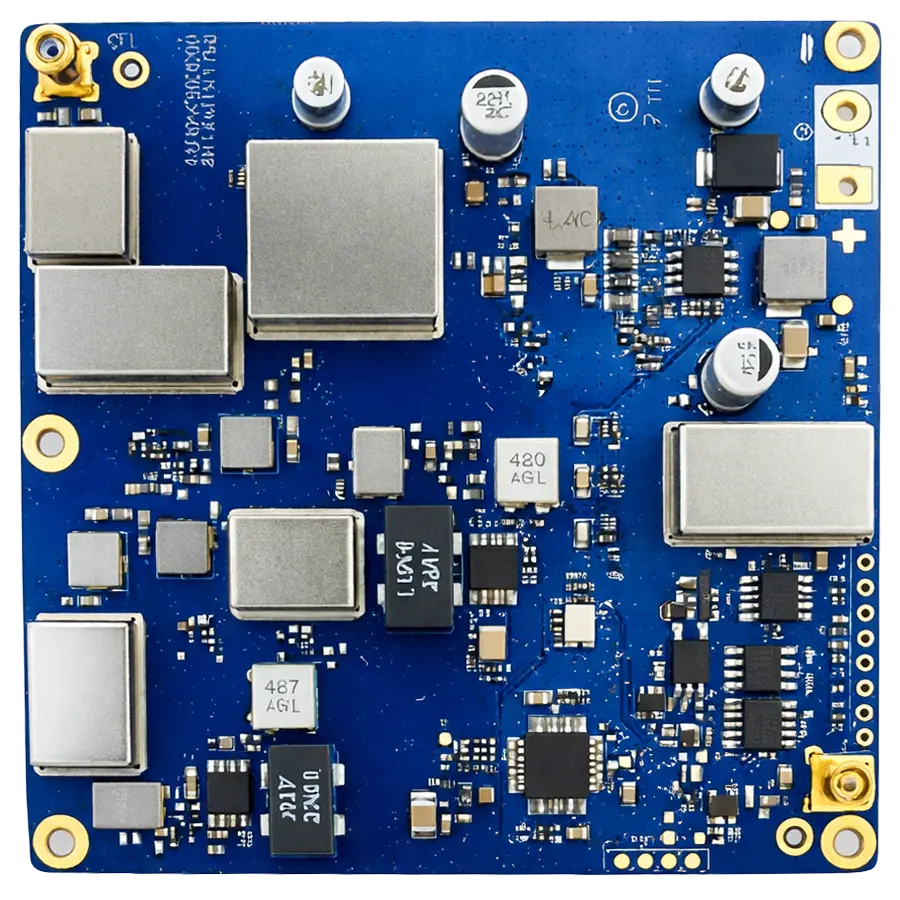
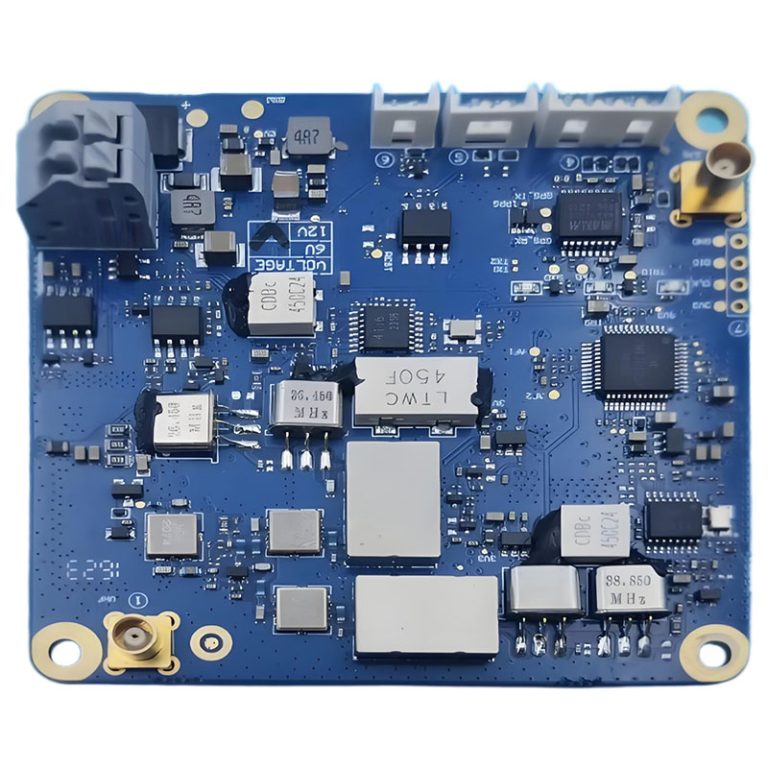
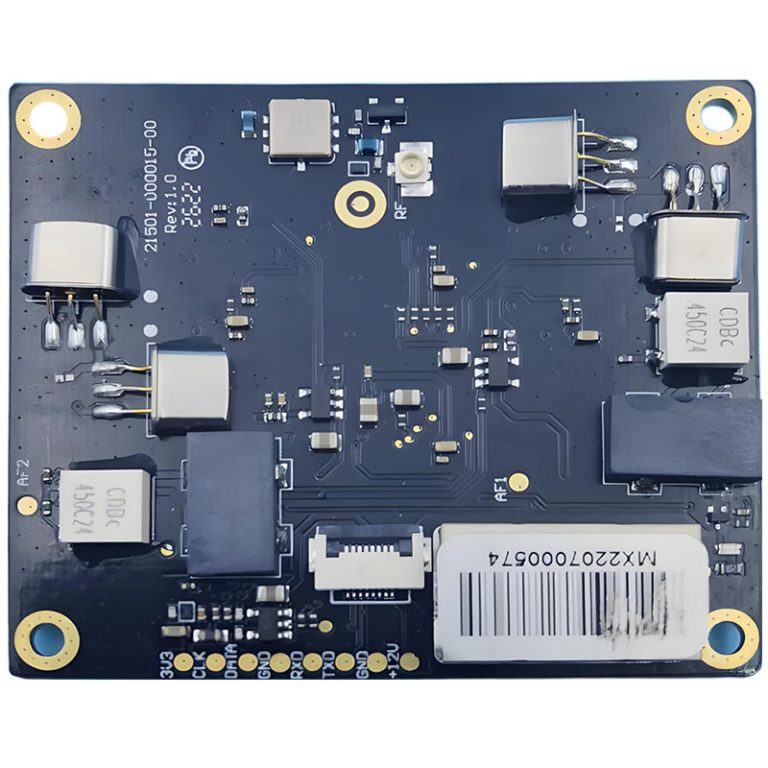
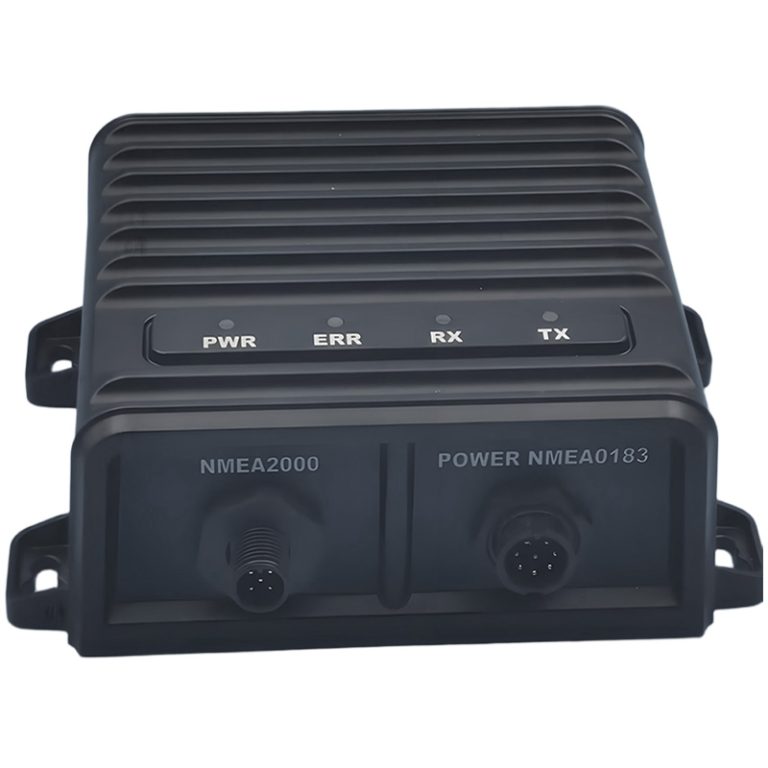
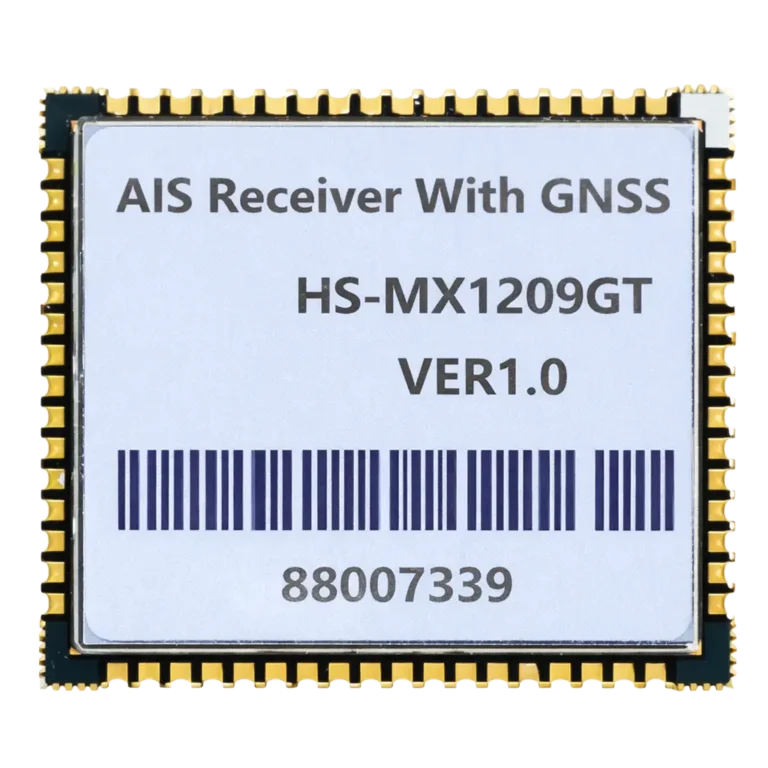
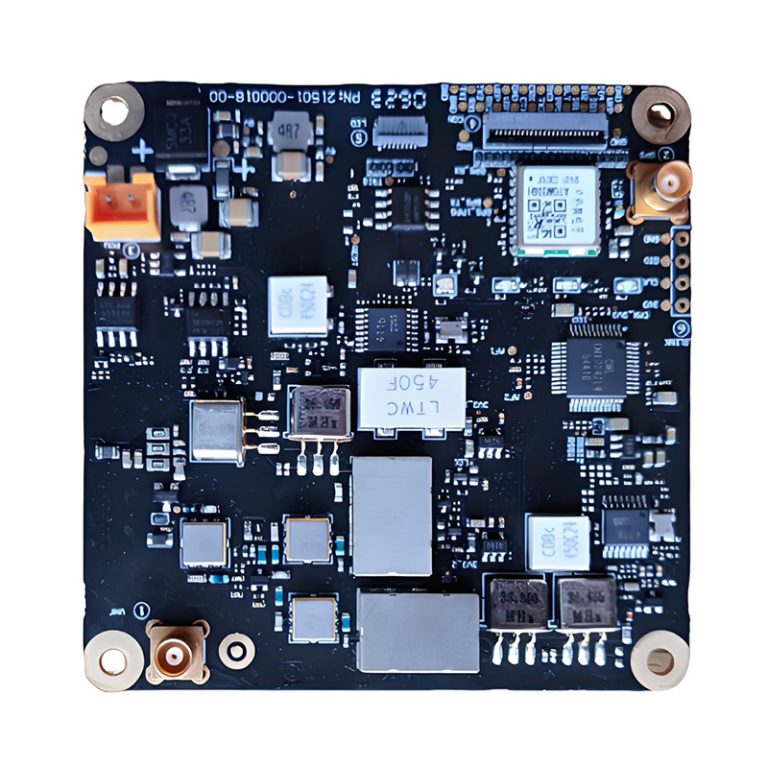
The HS‑MX1205GT is a next‑generation multi‑mode AIS (Automatic Identification System) Class A transceiver module designed for modern maritime communication, vessel tracking, and coastal monitoring systems. It integrates 12.5W SOTDMA Class A technology, offering exceptional RF performance, high reliability, and ultra‑compact size for shipborne, airborne, and unmanned platforms.
With excellent receiver sensitivity down to -119dBm @ 20% PER, the HS‑MX1205GT ensures stable AIS message reception even in congested or long‑range maritime environments. It supports Class A, AtoN, Virtual AtoN, USV, UAV, and AIS base‑station applications, making it a versatile solution for next‑generation maritime domain awareness systems.
The module integrates a full‑function AIS transceiver, built‑in 50‑channel GPS receiver, dual AIS receivers, and a 1‑channel transmitter. It complies with IEC 60945, IEC 61993‑2, IEC 62320‑2, IEC 61108‑1, and ITU‑R M.1371‑5 standards.
Key Features
Multi‑mode AIS Class A / AtoN / Virtual AtoN / Base‑Station / USV / UAV
The HS‑MX1205GT delivers high‑power AIS transmission, industry‑leading sensitivity, and multi‑mode flexibility, making it ideal for next‑generation maritime communication, vessel tracking, and unmanned system integration.
Why Choose HaisiTek
Advanced AIS communication technology
High‑reliability RF engineering
Full compliance with international maritime standards
Compact, rugged, and integration‑friendly design
Strong technical support and customization capability
The module supports Class A, AtoN, Virtual AtoN, AIS base station, USV and UAV operation, with 1 W / 2 W / 5 W / 12.5 W SOTDMA transmission modes.
Does the module include a GNSS receiver?
Yes. A 50-channel GPS receiver compliant with IEC 61108-1 is built in, and position data is output together with AIS messages over the 3.3 V TTL NMEA 0183 interface at 38,400 bps.
How is the module configured for a vessel?
MMSI, vessel name, call sign and transmission settings are written through the PC configuration tool over the serial port and stored in the module.
What is the minimum order quantity and lead time?
The MOQ is 10 units for standard models; custom configurations may require more. Lead time is typically 2-4 weeks, and evaluation samples are available.
Still have questions? Contact our technical sales team for expert advice.